Trucking Careers
Trucking Career Paths: Where a CDL Can Take You
A CDL is a starting point, not a ceiling. The main directions a driving career can go — endorsements and specialized freight, dedicated and local seats, owner-operator, and off-the-road roles like trainer, dispatcher, and safety — and how each changes pay and life.
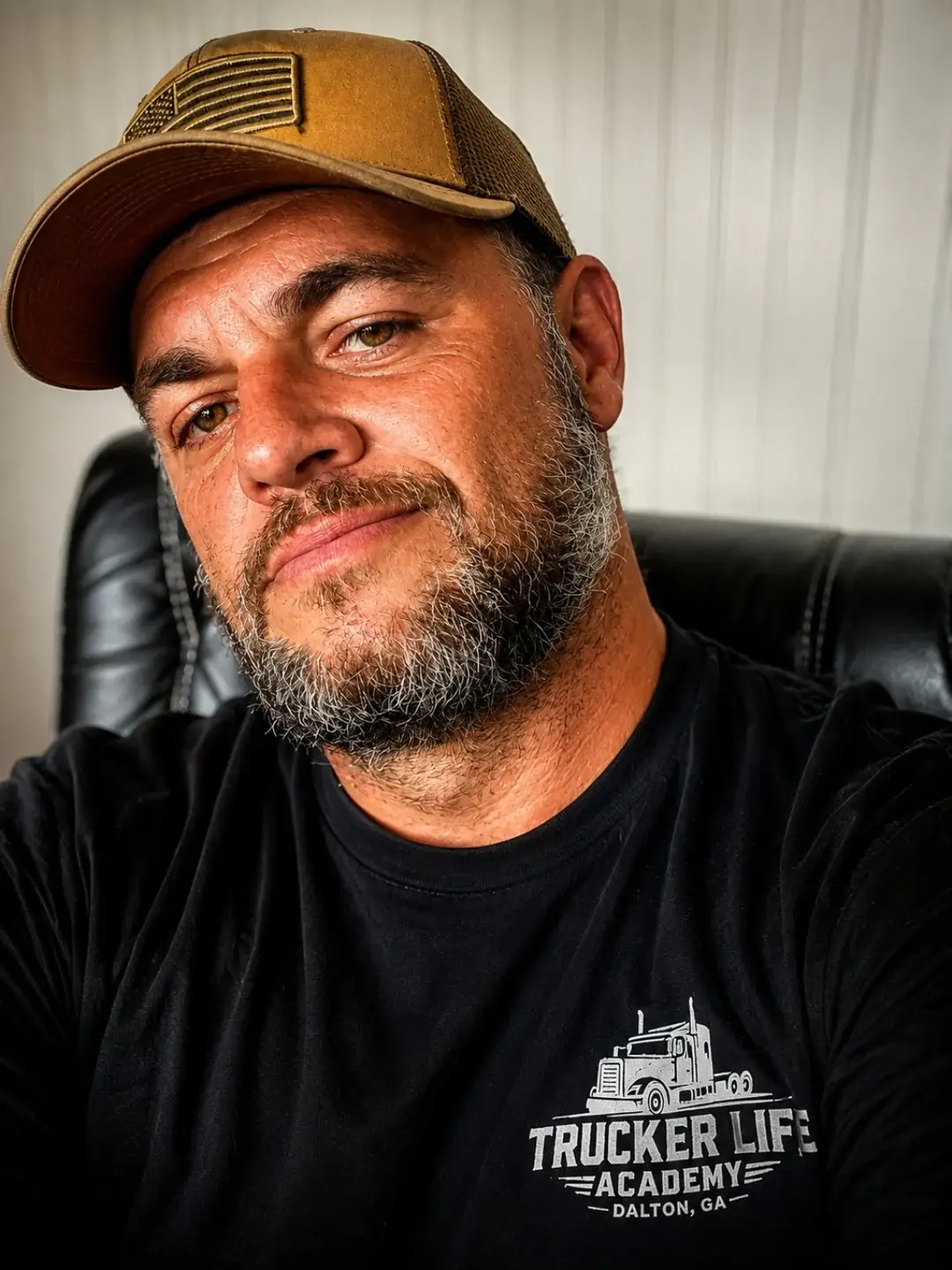
CDL-A driver and instructor — 17 years driving, zero violations. Founder of Trucking Life with Shawn and the TLWS truck driving school in Dalton, Georgia.
Last updated September 5, 2026
✓ Last reviewed against the eCFR July 17, 2026
Quick answer: A CDL opens several career directions, not one job. From a first over-the-road seat you can add endorsements and move into higher-paying specialized freight (hazmat, tanker, doubles/triples); shift toward regional, local, or dedicated work for better home time; become an owner-operator and run a business; or move off the road into training, dispatch, safety, or management while keeping your CDL as a foundation. Each direction trades pay, home time, and risk differently. The through-line: experience and a clean record open doors, so the early years are an investment. Current occupational data is on the BLS.
Information disclaimer: Last reviewed July 17, 2026. This is general career information, not financial or legal advice. Pay, advancement, and role availability vary by carrier, region, and market. Confirm occupational and wage data with BLS. Not affiliated with any carrier.
A CDL is a platform, not a destination
New drivers often picture "truck driver" as one fixed job. It's really a license to move in several directions, and the choice of direction shapes pay and life far more than any single carrier does. Knowing the map early helps you make the first few years count toward wherever you want to end up.
Direction 1: specialize with endorsements
Adding endorsements moves you toward freight that's harder to staff and often pays better:
- Hazmat — hazardous materials; requires a knowledge test and a TSA security threat assessment.
- Tanker — liquids in bulk, with the handling skills that surge and baffles demand.
- Doubles/triples — pulling multiple trailers, a distinct skill and endorsement.
- Combining endorsements (for example tanker + hazmat) can open the highest-demand freight of all.
The endorsement map and how to earn each: CDL Endorsements and Restrictions. (Pay effects are industry practice and vary.)
Direction 2: change the lane for a different life
The same license runs very different schedules. Moving from OTR to regional, local, or dedicated work trades some miles for home time and predictability — often the right move as life circumstances change. The trade-off in depth: OTR vs Regional vs Local and Home Time and Quality of Life.
Direction 3: run your own business
With experience, some drivers become owner-operators — leased to a carrier or under their own authority — trading a steady paycheck for the larger upside and real risk of running a truck as a business. It's a genuine path, not a shortcut, and it rewards business discipline. Weigh it honestly: Owner-Operator vs Company Driver, and be cautious with lease-purchase on the way there.
Direction 4: move off the road
A CDL and road experience are a foundation for roles that get you home every night:
- Driver trainer / instructor — teach new drivers; experience and a clean record are the qualification.
- Dispatcher / driver manager — coordinate freight and drivers; knowing the road firsthand is a real advantage.
- Safety and compliance — help a fleet meet FMCSA rules; a natural fit for drivers who understand compliance from the seat.
- Operations and management — terminal, fleet, and logistics roles that value people who've done the driving.
These usually trade the road's earning ceiling for stability and a home-every-night life. (Availability and pay vary by employer.)
What opens doors on every path
- Experience. Almost every better seat and role asks for verifiable time behind the wheel. The first year or two is the price of admission to the rest.
- A clean record. Safe driving and a clean CSA/compliance history are the single biggest career asset you build — guard it.
- Endorsements and skills. Each one you add widens the set of freight and roles open to you.
- Reputation. In an industry smaller than it looks, being reliable and professional follows you.
A worked illustration (not a promise)
A driver starts OTR dry van, spends two years building a clean record, then adds tanker and hazmat and moves to specialized freight. A few years on, wanting to be home nightly for family, the same driver steps into a driver-trainer role at the terminal — CDL still central, but now off the road. None of it required starting over; each step built on the last. (Illustration of how paths connect, not a pay or timeline promise.)
Common mistakes
- Treating the first job as the whole career. It's the on-ramp. Plan past it.
- Neglecting the record early. A clean record is the asset that opens every later door — protect it from day one.
- Adding endorsements without a reason. Add them toward a direction you want, not to collect them.
- Assuming off-road means a pay cut only. Many drivers happily trade the earning ceiling for home-every-night stability.
- Jumping to ownership too soon. Learn the business as an employee before betting your own money on a truck.
A career-planning checklist
- A rough direction chosen (specialize / change lane / own / off-road)
- Endorsements that serve that direction identified — start here
- A plan to protect your record and reputation from day one
- Home-time needs mapped against the paths you're weighing
- The business path understood before pursuing it (owner-operator vs company driver)
Keep learning
- The starting money: How CDL Truck Driver Pay Works · pick your lane, OTR vs Regional vs Local
- Life on each path: Home Time and Quality of Life · the business route, Owner-Operator vs Company Driver
- Get licensed first: How to Get Your CDL · the paid CDL Pre-School course · TLWS Academy · join the email list.
Frequently asked questions
What career paths can a CDL lead to?
A CDL opens several directions: adding endorsements (hazmat, tanker, doubles/triples) to move into higher-paying specialized freight; shifting to regional, local, or dedicated work for better home time; becoming an owner-operator to run a business; or moving off the road into training, dispatch, safety, or management. Each trades pay, home time, and risk differently, and experience opens all of them.
How do I advance in a trucking career?
Build verifiable experience and guard a clean driving and compliance record — those two assets open almost every better seat and off-road role. Add endorsements that serve a direction you actually want, and build a reputation for reliability. The first year or two is an investment that pays off across every later path.
Can I use a CDL to get off the road eventually?
Yes. Road experience and a clean record are a foundation for roles that get you home every night — driver trainer or instructor, dispatcher or driver manager, safety and compliance, and operations or management. These usually trade the road's earning ceiling for stability, and they value people who've actually done the driving.
Do endorsements really help a trucking career?
Adding endorsements widens the freight and roles open to you and generally moves you toward harder-to-staff, better-paying work, though pay effects are industry practice that varies. The most useful approach is to add endorsements toward a direction you want — for example tanker plus hazmat for high-demand freight — rather than collecting them without a plan.
Should I become an owner-operator to advance?
Only if you genuinely want to run a business and have the cash cushion and discipline for it. Owner-operator is a real path but not a shortcut — it trades a steady paycheck for larger upside and real risk. Most drivers benefit from learning the freight network and costs as a company driver first, and from being cautious with lease-purchase programs along the way.
Sources
Keep reading
How CDL Truck Driver Pay Works: CPM, Percentage, and Hourly
The three ways trucking jobs pay — cents per mile, percentage of the load, and hourly — plus the accessorial pay, per diem, and bonuses stacked on top, and how to compare two offers that look different on paper.
8 min read →
OTR vs Regional vs Local Trucking: Pay and Home Time Compared
The three lanes of a trucking career — over-the-road, regional, and local — and how each trades pay, miles, and home time, so you can pick the one that fits the life you actually want, not just the biggest headline number.
8 min read →
Home Time and Quality of Life in Trucking
Pay is only half of a trucking job. Home time, the type of freight, and how hours-of-service limits shape your days decide whether the work fits your life — and the trade-off between miles and time home is real. How to weigh it honestly.
9 min read →